
TV Diary
Mine Eyes Have Seen the Glory

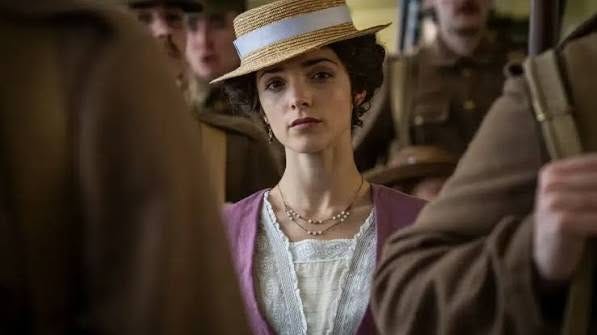
Wednesday: A Woman of Substance. It’s Christmas in July on streaming. On Netflix’s Little House on the Prairie, Ma Ingalls went into labor while snowbound on Christmas Eve, which impacted Pa’s ability to sneak away to Toys R Us after the girls went to bed. Happily, Mr. Edwards crashed the afterparty and brought gifts to the little ‘uns, thus tempering the rage that would have taken root in their tiny hearts if they subconsciously blamed their baby sister for causing Santa to blow off the holiday. No to be outdone, A Woman of Substance hosts a very special loveless-marriage Christmas episode, with a rape-scene chaser. While the self-starter born-poor heroine Emma Harte—nobody ever calls her by just her first or last name, it’s always “You’re a force of nature, Emmaharte!” “Don’t shit where you eat, Emmaharte!” “Pass the $&@# butter, Emmaharte!”—is frustrating the adoring, bow tie-wearing cog in her plans she calls a husband, the patriarch of the wicked rich family on the hill has asked his sister-in-law to marry him. They fell in love, or something, when his late wife was upstairs, in her Mr.-Rochester’s-first-wife period. At first, she’s thrilled, but then she tries to back out—not because she doesn’t love him, but because it’s all just so messy.
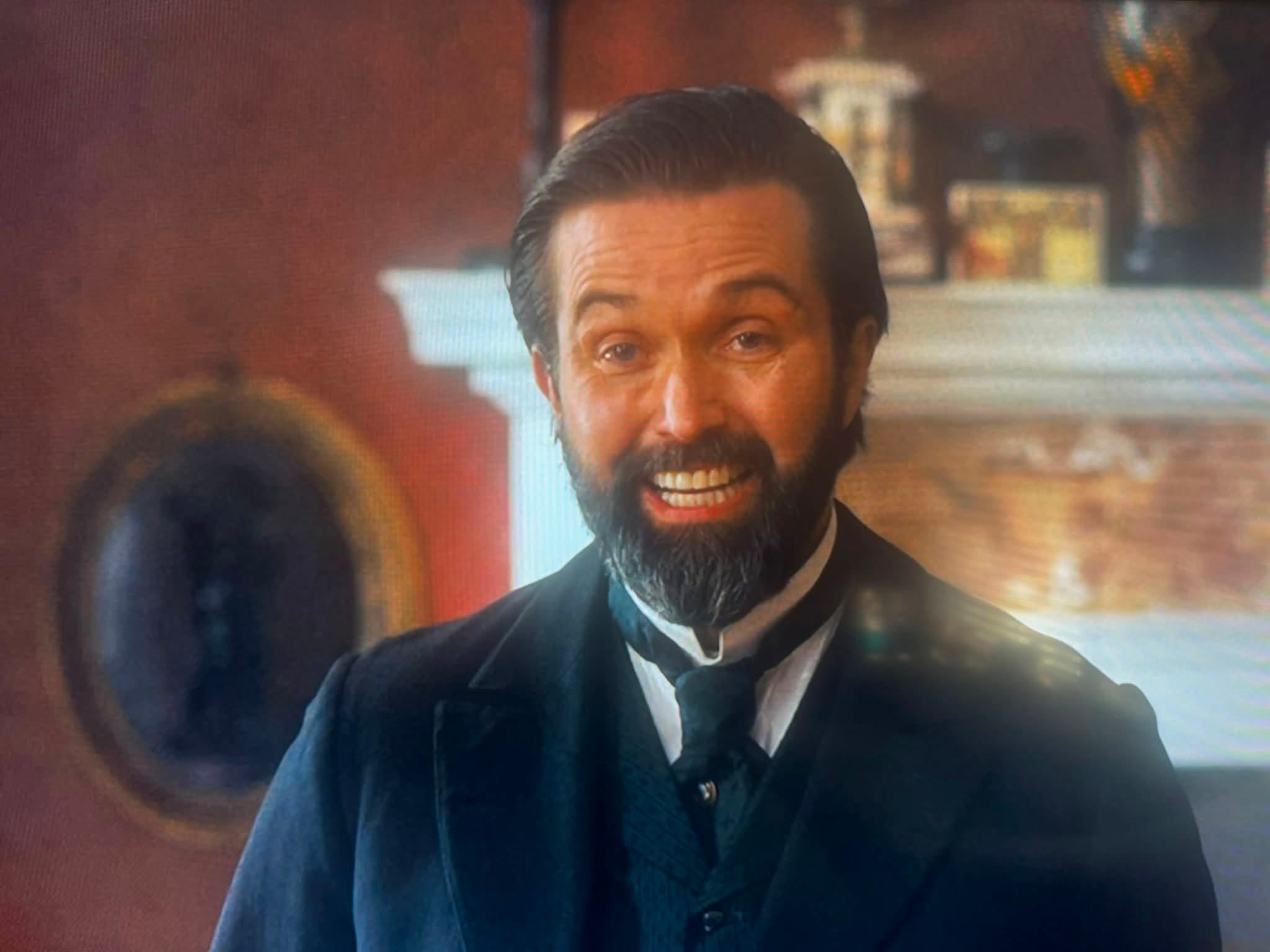
Ever the smooth talker, Mr. Moneybags urges her to reconsider, lest the guilt they accrued from having an emotional and then physical affair under his doomed wife’s very nose will be for nothing. Emmett J. Scanlan, who plays the oily sleaze, is a front-runner for the title of weirdest actor on TV right now, British import division. His superpower is making viewers feel better about their own husbands. It’s not as if it’s impossible to imagine why anyone would have married him in the first place. Seen from a distance, tall and lean and with his beard neat and his appearance dapper, he can seem promising. But as soon as his lips part and he flashes his gummy, wormy wince of a smile, we’re in Michael Berryman territory.
In the next episode, people are still gathering up the torn wrapping paper when World War II arrives on the doorstep, looking at them with those sad-puppy eyes. As Emmaharte is making plans to shift her dressmaking business to the production of military uniforms, she receives an unwelcome shock: her adoring, barely-noticed husband has enlisted, and while he's away fighting for the future of the free world, she's going to have to start cleaning the bathrooms her damn self. Looking into his stupid face, she feels her warrior's heart soften, and she makes the necessary sacrifice to show him, now that his life will soon be hanging by a string, that she tolerates him, she really tolerates him! This is the most soaring romantic music I've heard used to accompany a pity fuck. Mine sound like "Yakety Sax" performed on sad trombone.
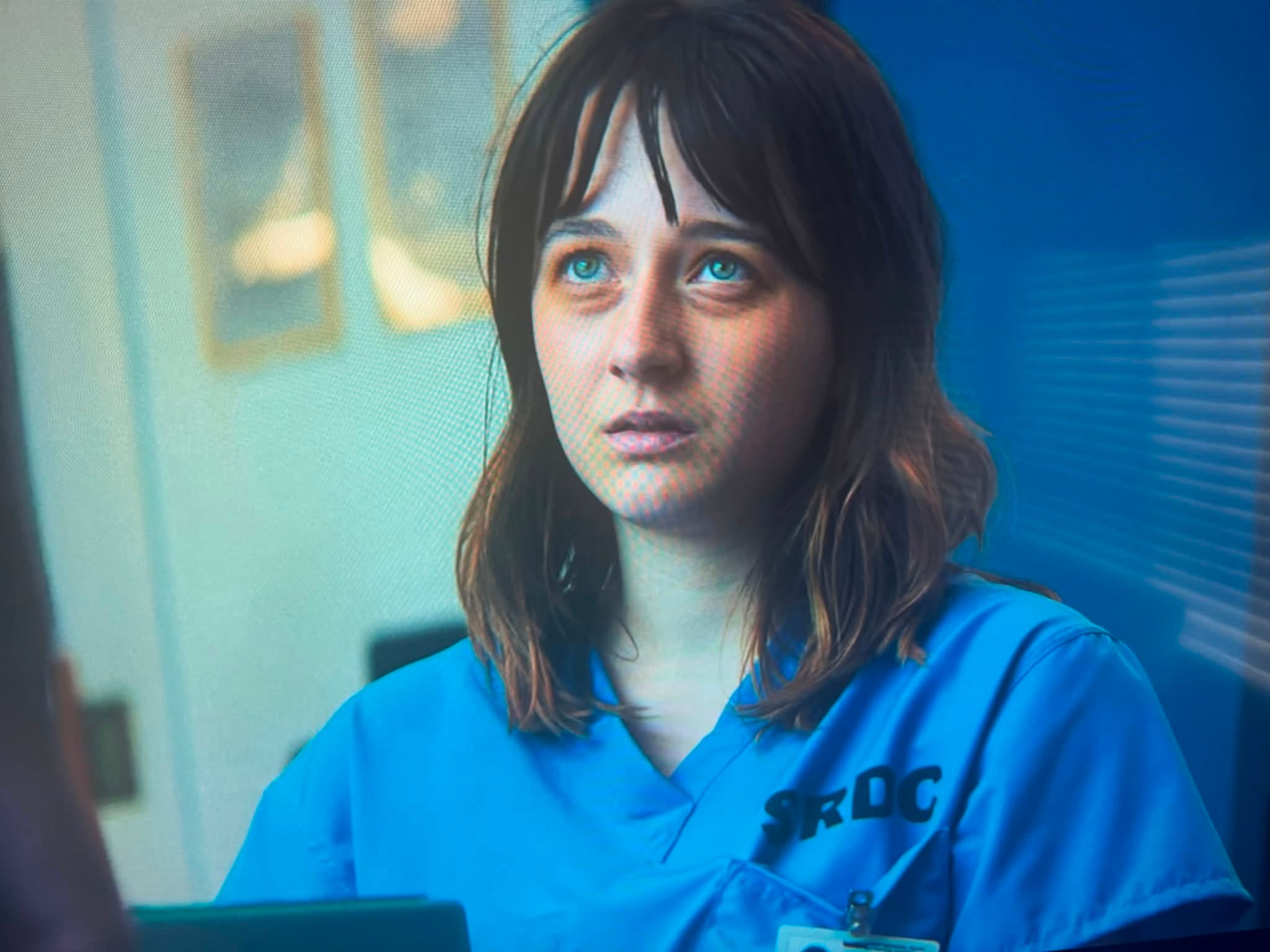
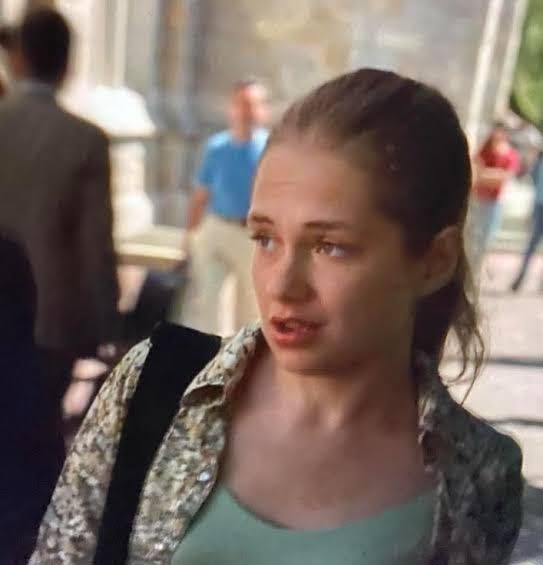
Friday: I did watch all of Cape Fear. By the midway point, the main attraction was Lily Collias, who assumed the troubled-teen-daughter role once held down by Juliette Lewis. (Juliette Lewis is also in the show, because every good cast needs a cautionary example.) Collias, who I have never seen before, has a vibrant, soulful weirdness but, apparently, only the one facial expression. Fortuitously, it is an expression that is appropriate to literally everything that happens on this show.
Sunday: Lioness. I watch this show for the tense combat-action scenes and the interplay between the actors giving mostly expert professional-badass performances. The new season premiere gets off to a rip-roaring start, with Nicole Kidman and Martin Donovan having a breakfast-patio debate over whether the DSA or AI is the greater threat to democracy. There is no clear indication that either the DSA or AI has anything to do with the story. Taylor Sheridan gonna Taylor Sheridan
Law & Order. Tonight’s rerun is “American Jihad”, from the fall of 2002. This is the John Walker Lindh story. Network TV writers were still struggling to find a way to discuss the events surrounding 9/11 without alienating any significant portion of their audience. You can feel how grateful they were for Lindh, whose example made it possible to depict an anti-American Islamic terrorist as a despicable, worthless piece of shit and come down on him like a ton of bricks without any risk of being taken for racist. They also don’t want to be taken for anti-Muslim, so every fourth line of dialogue is the good guys sputtering about how this goon’s stated views represent a grotesque corruption of the actual tenets of the religion he claims to practice.
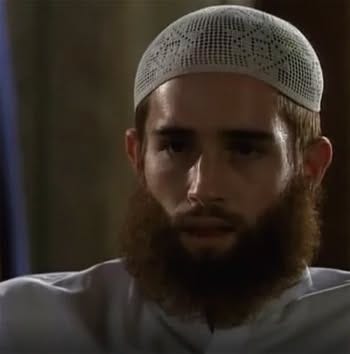
You have to watch all the way to the end to find out just how grotesque. Digging into Jimmy Bad-Beard’s past, the investigators, who have already figured out that his “religious beliefs” are just a cover for his loathsome misogyny, realize that he’s been killing people and saying “Allahu Akbar” because he was once unable to get it up for Merritt Wever. It is also implied that she destroyed what was left of his soul by making cruel sport of his limp noodle. Given the deep soulfulness and great empathy with which Merritt Wever infuses every role she plays, I find this hard to picture, but maybe she was having a bad day for unrelated reasons and lapsed into a brief display of callousness that was very unlike her and completely forgivable, given her youth and the awkwardness of the situation. I can only speculate. Due to a calamitous miscalculation on the writers’ part, the episode isn’t really about her.
This is also the episode that introduced Fred Dalton Thompson as the next actor in line after Dianne Wiest to make the audience dream about taking up a collection to try to lure Steven Hill out of retirement and back into the D.A.’s office. Thompson’s casting was a transparent move to show Dubya-era viewers that the show didn’t hate Republicans; some of them are kind of okay, despite their cashew brains and disgusting politics, and can help pad out an episode with their cornpone accents and Dogpatchian aphorisms. It probably would have been simpler and more effective to simply run a chyron at the bottom of the screen reading “Look, It’s Keeping Him Out of Congress, Okay?” whenever Fred was onscreen. When the blonde assistant points out to Jack McCoy that Thompson is coming to town, McCoy says he’s met him, he’s a nice guy, and when she asks McCoy what he thinks of the new hire’s politics, McCoy says, I’ve met him, he’s a nice guy. So the main challenge to Thompson as an actor is that he convince viewers that he might be a nice guy. I’d find it easier to believe that he was Fonzie.